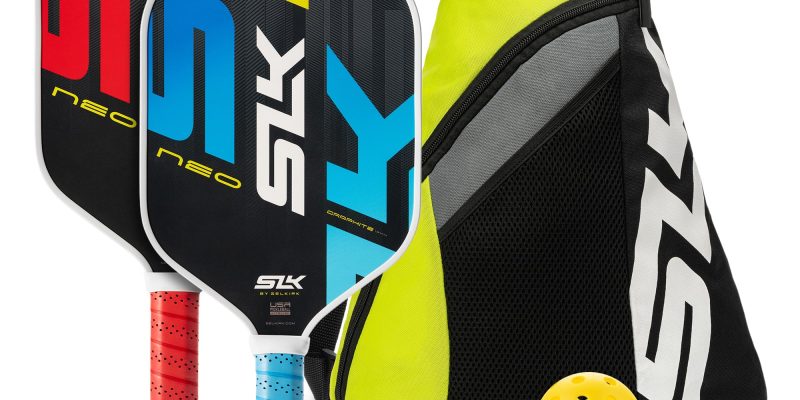
Picking out a pickleball paddle can get overwhelming fast. There are so many options, and each detail can change how you play.
The best paddle really comes down to your skill, playing style, and what feels right in your hand—especially when it comes to weight, grip, and the material.
These things actually affect how much control you have, your power, and even how much spin you can put on the ball.
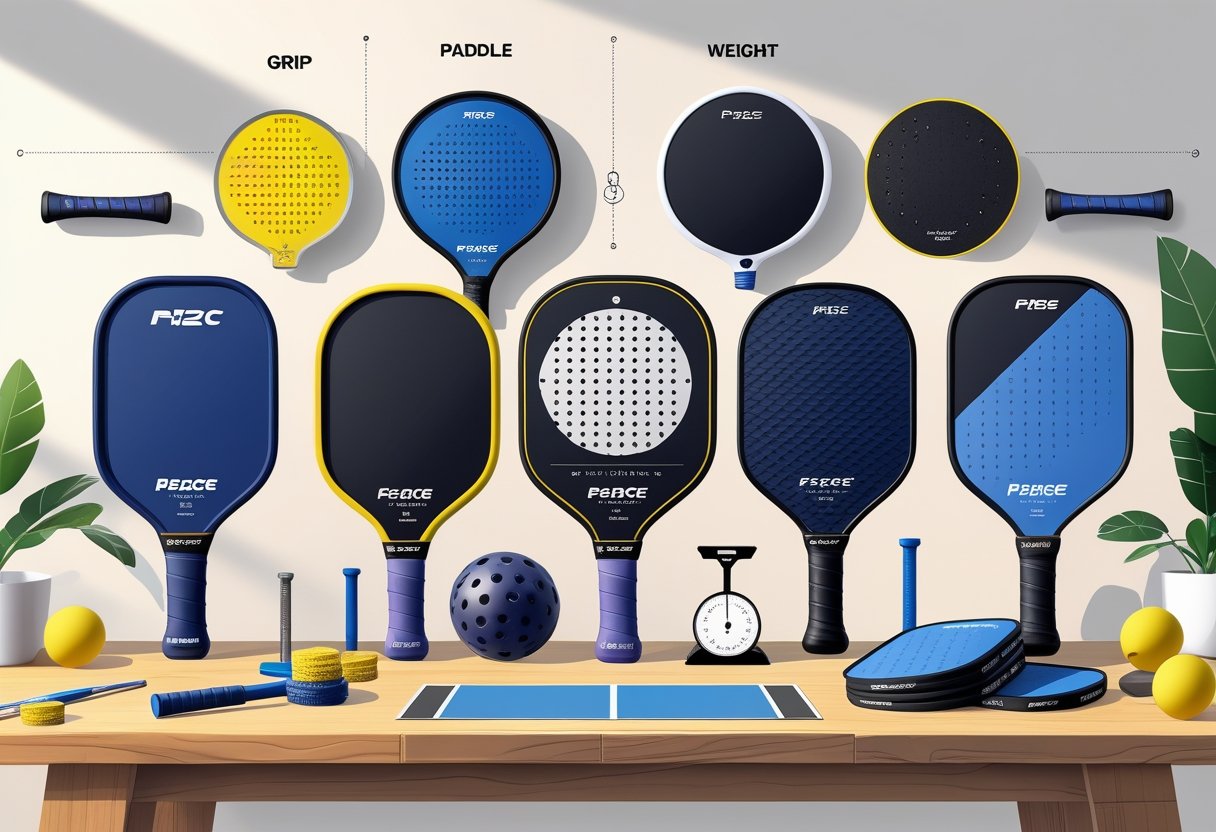
To find the right paddle, you need to know how each feature works for you on the court. Maybe you want more control for those tricky shots, or you’re after extra power to smash the ball—either way, the paddle should just feel right in your hand.
Knowing a few basics makes it way easier to find a paddle that matches how you play and helps you level up.
Key Takeways
- The right paddle can boost your control, power, and spin.
- Comfort—grip size and weight—really matters for your performance.
- Material and design change how tough the paddle is and how it feels to use.
Factors to Consider Before Buying
There are a few things to think about before you pick a pickleball paddle. Your skill level, the shots you like to play, and your budget all play a role.
Each of these helps you narrow down your choices so you don’t end up with something that just doesn’t work for you.
Player Skill Level
How good you are at pickleball really shapes what kind of paddle you should pick. If you’re just starting out, you’ll want a paddle that forgives mistakes and gives you more control.
Lightweight paddles with bigger sweet spots make it easier for beginners to hit the ball consistently. Intermediate players might look for something that balances power and control.
They often go for midweight paddles made with tough core materials like polypropylene or graphite faces. These let you add more spin and place your shots better.
If you’re advanced, you might want a paddle that ramps up your power or spin. Heavier paddles or ones with stiff cores—like aluminum or Nomex—can make your shots faster, but they do require solid technique.
Playing Style and Preferences
Your playing style really decides which paddle features matter most. Players who love quick reactions and precise shots usually stick with lightweight, head-light paddles for fast wrist movement and control.
If you’re the type who wants to hit hard, you’ll probably want a heavier, head-heavy paddle. These give you more momentum for those aggressive swings.
Material makes a difference too. Carbon fiber paddles are great for mixing power and spin, while graphite paddles give you more control and touch.
Composite and hybrid paddles are out there if you want something versatile. And don’t overlook grip size—pick one that matches your hand to avoid injury and stay comfortable.
Budget and Price Range
Paddles come in all price ranges, from $20 up to $300 or more. How much you want to spend affects what materials and features you get.
If you’re new, you can start with a cheaper paddle that still gives you decent control. Mid-priced options usually balance performance and durability for players who are improving.
Those willing to spend more can get high-end materials like carbon fiber or Kevlar, which last longer and perform better. But honestly, spending more doesn’t guarantee you’ll play better.
It’s smarter to pick a paddle that matches your skills and style, and fits your budget.
Paddle Weight and Balance
Paddle weight and balance can totally change your game. Lighter paddles help you play longer without getting tired, while heavier paddles give you more power on your shots.
Where the weight sits on the paddle also changes how it feels when you swing.
Lightweight vs Heavy Paddles
Light paddles usually fall between 6 and 7.5 ounces. They’re easy to move fast, so you can react quickly and keep control during quick volleys.
If you play a defensive game or just want to avoid arm fatigue, lighter paddles are a good pick. Heavy paddles, on the other hand, weigh from 8 up to 14 ounces or more.
They give you more pop and can drive the ball harder, but you’ll need more strength, and your arm might tire out sooner. Heavy paddles often have a bigger sweet spot, which can be nice for power hitters.
How Weight Impacts Power and Control
Weight really does matter. Heavy paddles hit harder but are slower to move around. Lighter paddles are easier to control and move quickly, but you might lose some power.
Most beginners or all-around players stick with mid-weight paddles—think 7.5 to 8 ounces—for a mix of both. If you’re all about power, you’ll probably want something heavier.
Understanding Paddle Balance
Balance is just about where the weight sits on the paddle. There are three basic types:
- Head-heavy: More weight at the top—good for power, not as much for control.
- Handle-heavy: More weight by your hand—easier to control, but not as powerful.
- Evenly balanced: Weight spread out—gives you a mix of control and power.
Pick the balance that matches how you like to play. Power players go for head-heavy, while control-focused folks lean toward handle-heavy or balanced paddles.
Grip Size and Handle Specifications
Getting the grip size and handle length right can make a huge difference in comfort and control. The feel in your hand and even the grip’s texture matter, especially in long matches.
Brands like Selkirk, Joola, and Onix all offer different grip and handle designs, so you’ve got options.
Selecting the Right Grip Size
Grip size is just the circumference of the paddle handle—usually between 4 and 4.5 inches. You can measure from the middle crease of your palm to the tip of your ring finger to get a good fit.
Too large a grip limits your wrist movement and can lead to injuries. Too small, and you’ll over-grip, which causes fatigue and even blisters.
If you’re not sure, go a bit smaller and add an overgrip for comfort. Brands like Selkirk and Onix make paddles in different grip sizes, so you can usually find something that fits.
Testing paddles before you buy is always a smart move if you can swing it.
Handle Length Options
Handle lengths usually run from about 4.5 to 6 inches. Short handles (under 5 inches) are great for players who want quick wrist action or come from a table tennis background.
The standard 5-inch handle works for most people. If you want to use a two-handed backhand or just like a longer grip, look for handles over 5.5 inches.
Onix makes paddles with longer handles for extra reach, while Selkirk sticks with balanced lengths. It all comes down to your playing style and hand size.
Grip Comfort and Texture
How the grip feels and its texture can change how secure the paddle feels when you play. Some paddles have cushioned grips that soak up sweat and reduce vibration.
Materials range from tacky rubber to softer synthetic wraps. Joola, for example, uses textured grips that feel secure but not sticky.
Overgrips are handy if you want to tweak thickness or softness. If your hands get sweaty, look for grips that wick away moisture. The right texture helps you avoid slipping and means fewer mid-game grip adjustments.
Paddle Face Materials and Technologies
The material on the face of your paddle changes its weight, control, power, and how long it lasts. Each one brings its own vibe, so it’s worth knowing what you’re getting into.
Carbon Fiber Paddle Advantages
Carbon fiber paddles are super strong and light. They hit a sweet spot between power and control, letting you swing hard without feeling weighed down.
They’re also durable and resist wear better than most. If you want a paddle that keeps performing, carbon fiber is a solid choice.
Players who want a quick, reliable response and long-lasting quality tend to love these. They’re a go-to for anyone who wants to power up their game but still keep things precise.
Composite Paddles Explained
Composite paddles mix fiberglass with other stuff, giving you a blend of power and control. They’re pretty versatile and work for lots of skill levels and playing styles.
Composite faces help soften the impact, which is nice for longer games. You can also get some spin with these, adding a bit of strategy to your shots.
They’re usually heavier than graphite but lighter than aluminum. If you want something durable and consistent, composite paddles are worth a look.
Other Common Face Materials
Besides carbon fiber and composite, you’ll see graphite, aluminum, and hybrid paddles out there.
Graphite paddles are super light and give you great touch and control, but they can wear out faster and sometimes cost more.
Aluminum paddles have metal cores, so they’re heavier and really tough. They’re good for power, but you might lose some finesse.
Hybrid paddles mix materials like carbon fiber and polymer for a custom balance of weight, feel, and power. It’s all about finding what works for you.
Each material changes the paddle’s feel and performance, so it’s worth thinking about your own style and what you want out of your paddle.
Core Materials and Performance
The core of a pickleball paddle makes a big difference in weight, power, control, and even noise. Different cores fit different styles and skill levels.
Knowing the differences can help you pick a paddle that feels right and works for your game.
Polymer Cores
Polymer cores are everywhere these days. They use a plastic honeycomb inside, making the paddle quieter and softer when you hit the ball.
You get more control and a bigger sweet spot, which is great for gentle dinks and less arm strain. These paddles aren’t as powerful as the harder-core ones, but they’re forgiving and help cut down on mishits.
They’re ideal for beginners, those with joint issues, or anyone playing on courts that want to keep the noise down.
Aluminum and Nomex Cores
Aluminum cores use a thin metal honeycomb, keeping the paddle light and easy to maneuver. They give a soft feel but dent easily and have smaller sweet spots.
They’re good for younger players or anyone who wants quick wrist action. Nomex cores, on the other hand, are made from resin-coated paper honeycomb.
These are hard and make a loud, crisp sound when you hit the ball. Nomex paddles are all about power and a firm feel—great for advanced players who want strong smashes and fast shots.
They’re not as forgiving or quiet, and some courts even ban them for the noise.
Softer vs Firmer Core Feel
Softer cores—like polymer or aluminum—give you more cushion and help with control, plus they’re easier on your arm. They absorb the impact, which is good for finesse and longer rallies.
You lose a bit of power and get a quieter hit, but for many, that’s a fair trade. Firmer cores, like Nomex, snap the ball off the paddle for more power and a quicker response.
They can be tough on your arm, though. These are for aggressive players who want speed and power over finesse or quiet play.
Which one’s better? That really depends on your style, strength, and how much noise you can handle.
Paddle Shape and Edge Design
The shape and edge design of a pickleball paddle play a big role in control, power, and durability. Different paddle shapes change the sweet spot size and how much reach you get.
Edge guards protect the paddle and change the feel when you play. Some folks care a lot about this detail.
Standard vs Elongated Paddles
Standard paddles have a wider face, so you get a bigger sweet spot. They’re easier to control and pretty forgiving on those tricky shots.
Their balanced weight makes it simple to keep swings steady. Consistency feels more natural with this shape.
Elongated paddles look narrower and longer. This gives you extra reach and a bit more power, but the sweet spot shrinks.
These paddles suit aggressive players who want to cover more ground and hit harder. But if you miss the center, you’ll notice it.
Here’s a quick comparison:
| Feature | Standard Paddle | Elongated Paddle |
|---|---|---|
| Sweet Spot Size | Larger | Smaller |
| Reach | Moderate | Extended |
| Control | High | Moderate |
| Power | Moderate | Higher |
Edge Guard vs Edgeless Paddle
Edge guards wrap around the paddle’s edge, protecting it from damage if you drop it or hit a wall. This helps the paddle last longer, but it does add some weight.
Some players say edge guards change how the ball bounces near the edge. That’s a personal thing, really.
Edgeless paddles skip the guard, so the edge is smooth and flat. These are lighter and let you hit clean shots right up to the edge.
On the downside, they can get banged up faster and might not last as long. Whether you want an edge guard or not comes down to how much you care about protection versus pure performance.
Certification, Brand, and Other Features
Picking a pickleball paddle isn’t just about how it feels in your hand. You’ll want to check for official approval, choose a brand you trust, and think about extra features that might make playing more comfortable.
All these things matter, whether you’re just having fun or getting serious about competition.
USAPA Approval and Tournament Play
The USA Pickleball Association (USAPA) approval matters if you plan to play in official tournaments. Paddles have to meet certain size, material, and surface roughness rules to get certified.
This keeps things fair and makes sure everyone’s equipment is up to par. Most tournaments require a USAPA-approved paddle, so you can’t really skip this step if you want to compete.
If you’re playing casually, you can use whatever you like. Look for “USAPA Approved” on the paddle or check their list online. Brands update their paddles a lot to keep up with these rules.
Popular Brands to Consider
Some brands really stand out in the pickleball world. Selkirk, Joola, and Onix come to mind right away.
Selkirk makes high-end paddles with advanced materials like carbon fiber. They’re great for players who want control and a soft touch—usually tournament folks.
Joola offers paddles that sit right between power and control, and they actually work with pro players for input. If you’re moving up in skill, Joola’s a solid pick.
Onix is all about affordable, tough paddles. Beginners and power hitters like them, and there’s a big range of models to try.
Going with a reputable brand means you get better quality and customer support. That’s worth it when you’re spending real money on a paddle.
Aesthetics and Additional Features
Looks and extra features might not change your game, but they sure can make playing more fun. Comfort matters, too.
Grip size and handle length are huge. Pick a grip that feels right and doesn’t strain your hand—most folks land between 4″ and 4.5″ around.
Many paddles now have textured surfaces to help you put spin on the ball. If you love spin shots, you’ll notice the difference.
Some paddles come with vibration dampening tech, which protects your arm and wrist. Paddle covers and colorful designs are everywhere these days—why not show some style?
Frequently Asked Questions
Choosing the right pickleball paddle comes down to skill level, weight, materials, and grip size. It helps to know how paddles differ for power or control, and what to look for in reviews.
What are the key factors to consider when selecting a pickleball paddle for novice players?
New players should look at paddle weight, grip size, and what the surface is made of. Lighter paddles keep your wrist from getting tired, and paddles built for control help you learn steady shots.
How does paddle weight affect playing style and comfort in pickleball?
Heavier paddles give you more power, but you’ll get tired faster. Lighter paddles are easier to move and control, which makes them more comfortable if you play for a while.
It’s all about finding a weight that feels good for you.
What are the differences between graphite and composite pickleball paddles?
Graphite paddles are lighter and usually offer better touch and control. Composite paddles have a harder surface, so they hit harder but tend to weigh more.
It really depends on what feels right for your style.
What grip size is appropriate for my hand when choosing a pickleball paddle?
Grip size should fit your hand to avoid strain. If it’s too small, your wrist will move too much. Too big, and you’ll lose control.
Measure your hand or try different grips to figure out what’s comfortable.
How do I differentiate between paddles for power versus control?
Power paddles are heavier, with harder surfaces and bigger sweet spots. Control paddles are lighter, softer, and have smaller faces for accuracy.
Your playing style and skill level will point you in the right direction.
What should I look for in pickleball paddle reviews before making a purchase?
Focus on reviews that talk about how durable the paddle is, how it feels in your hand, and how it performs on the court. Look for honest feedback about weight, material, and if it fits your style.
Trying demo paddles is a smart move if you can swing it.
Conclusion
Picking out the right pickleball paddle? That depends on a few things—skill level, weight, grip size, and, honestly, what the paddle’s made of. Everyone’s got their own style, so finding something that feels good in your hand really matters.
If you’re just starting out, a midweight composite paddle usually works for balanced play. More experienced folks sometimes go for carbon fiber paddles to get extra spin and control.
Some players want more power, so they’ll grab a heavier paddle with a textured face. That extra heft helps generate force.
Here are a few features worth thinking about:
- Weight: Go light for quick reactions, heavy for more power.
- Grip: Make sure it fits your hand—too big or small can cause strain.
- Material: Wood’s tough, but composite and graphite offer different levels of control.
- Surface: A textured face helps with spin.
Tech keeps changing things up. AI and smart sensors are starting to let people tweak weight and grip on the fly. There’s even talk of virtual paddle testing before you buy—wild, right?
If you can, try a few different paddles. The one that feels like it just belongs in your hand? That’s probably the winner. Knowing what’s out there—and how each option plays—makes picking the right paddle a whole lot easier.